Q Report Team
Protect the Ring you Love
Originally published in Modern Weddings, volume 18. Your man listened to .
Q Report Team
TL;DREngagement rings often go missing during everyday activities at home, outdoors, or while travelling, and they may be damaged by impact, wear, chemicals, or loose settings. Does insurance cover lost engagement rings? It depends on the policy. Many couples consider specialist jewellery insurance rather than relying on general policies to cover their engagement rings.
|
There's a unique kind of panic that comes when your hand drifts to your finger and the ring you expected to feel isn't there. For many couples, that fleeting moment of dread is enough to spark a bigger question: what would happen if the ring were gone for good?
Industry reports show that jewellery is among the most commonly misplaced or damaged personal items worldwide, and engagement rings may be especially at risk because they're worn daily and exposed to so many environments. Yet the question, "Does insurance cover lost engagement rings?" usually only arises after something has already gone wrong.
Together, we'll explore the less obvious ways engagement rings may be lost or damaged, the real-world risks couples face, and what insurance could mean in those scenarios.
Many people assume the ring is safest when it stays at home, yet accidents can still happen in familiar spaces. Rings may slip off when hands are wet from doing the dishes or while applying moisturiser. They can also be misplaced in common areas, such as left on a bathroom counter, slipped into a pocket, or set aside on a bedside table and forgotten.
If you've ever wondered how to find a lost engagement ring, you're not alone. Household searches often turn into full-scale treasure hunts, reminding us that even the most meaningful jewellery can vanish in ordinary moments.
Public spaces introduce an additional layer of risk. Beaches are a well-known hazard; rings can slide off unnoticed in the water or sink into the sand. Grass at picnics or parks creates similar challenges, as small metal and gemstone settings are easily overlooked.
Workouts and outdoor activities can also increase the chances of loss. Whether jogging, swimming, or even gardening, a ring may loosen with sweat, cold water, or sudden movement.
For more examples of how rings may be lost in everyday life, see: 10 Ways People Risk Losing Their Engagement Rings.
Physical wear is a frequent concern. Do wedding bands damage engagement rings? Wearing rings side by side can create friction, which may affect the settings or finishes.
Similarly, resizing a ring can change the structural balance of the band. Does ring resizing damage the ring? It can sometimes create weak points if not carried out by an experienced jeweller.
And while diamonds are known for their durability, they're not indestructible. Can you damage a diamond ring? Yes, chips or fractures may occur if the stone receives a strong impact against a hard surface.
Not all damage is obvious right away. Over time, the claws holding gemstones in place may loosen, especially if the ring is worn daily. A slight shift may go unnoticed until the stone is no longer secure.
Likewise, gradual wear can cause stones to dislodge slowly, making it important to have regular check-ups with a jeweller.
For a closer look at hidden risks, see: (Infographic) Most Common Types of Ring Damage.
Diamonds rank 10 on the Mohs scale of hardness, but can still chip if struck at the right angle.
Many jewellers recommend having engagement rings inspected every 6–12 months to check claws and settings.

Losing or damaging an engagement ring can feel overwhelming, especially when it happens unexpectedly. Knowing what steps to take and how insurance may apply can make the process clearer.
A common question is, "Can you claim a lost engagement ring on insurance?" The answer depends on the type of policy you hold and the wording of that policy. Some specialist jewellery insurance may include cover for loss, while some policies may limit this unless the ring is itemised separately.
Some policies may cover stones that become dislodged or go missing, but this may not be included in every policy. It's worth reviewing the Product Disclosure Statement (PDS) to confirm.
If you've lost your engagement ring, there are a few practical steps you can take:
Search carefully – retrace your steps at home, in the car, or at the location where you noticed it missing.
Document the situation – note when and where you last wore the ring, and take photos if relevant. Contact relevant people such as police, centre management, lost and found areas and keep reports to submit to your insurer.
Contact your insurer – provide supporting details, such as receipts, valuations, or certificates, if you plan to lodge a claim.
For scenarios involving travel, you may also find this helpful: What Happens If You Lose Your Engagement Ring Abroad.

When a ring goes missing or sustains damage, many people immediately ask whether their insurance applies. The answer can vary depending on the policy type and the provider, which is why it's important to understand the differences.
"Lost engagement ring insurance" refers to cover that may include scenarios where a ring is misplaced or disappears under unclear circumstances. Specialist providers such as Q Report may offer policies designed specifically for jewellery, where loss is a defined insurable event. With some general home or contents insurance policies, cover for a lost engagement ring may be limited unless the item is individually listed.
Damage is another concern, whether it's a chipped diamond, a bent setting, or a missing claw. Some policies may consider this under accidental damage terms, but the inclusions can differ widely. Reviewing the Product Disclosure Statement (PDS) is the most straightforward way to determine whether a damaged engagement ring is covered under your policy.
Different types of insurance may respond differently to a lost or damaged engagement ring:
Home insurance – may cap claims, sometimes between $1,000 and $5,000 unless the ring is itemised.
Travel insurance – may include cover for valuables, but limits can apply, sometimes ranging from $750 to $1,500 per item, with exclusions for unattended items.
Specialist insurers, such as Q Report – may offer worldwide cover, revaluation services to keep the insured value aligned with market conditions, and the option to return to your preferred jeweller for repairs or replacements.

While no one can predict every scenario, small habits can help reduce the chances of your engagement ring being lost or damaged.
Remove it before activities – Swimming, gym sessions, and household cleaning are situations where rings can slip off or be exposed to harsh chemicals.
Use safe storage – At home, a ring dish or secure case can prevent accidental loss. If you travel, consider carrying your ring in hand luggage or a padded case.
Book inspections and keep up with regular maintenance – A jeweller's check-up can catch loose claws, thinning bands, or stones that may be shifting over time.
Sometimes rings slip out of sight in familiar spaces. Here are a few quick methods people use:
Flashlight sweep – Shine a torch across the floor in a darkened room; diamonds may reflect the light.
Retrace your steps – Walk back through the last few places you wore the ring.
Vacuum trick – Place a stocking over the end of a vacuum nozzle to catch small items while you search carpets or rugs.
Three steps if your ring goes missing:
Pause and retrace where you last wore it.
Check safe spots, such as sinks, bedding, or handbags.
Contact your insurer once you've documented the circumstances.
It depends on the wording of your policy. Some insurers may include cover for accidental loss or mysterious disappearance, while others may have exclusions or caps. Specialist providers such as Q Report offer policies designed specifically for jewellery, which may include broader cover options.
Start by retracing your steps. Check common areas, such as sinks, bathrooms, handbags, and bed sheets. At home, shine a torch across the floor in a dark room to catch reflections, or use the vacuum-and-stocking method to search for hidden items on carpets. If it was lost in public, contact the relevant venues or authorities quickly.
Chlorine can weaken some metals, including certain types of gold and alloys. Regular exposure to certain substances, such as swimming in pools or using cleaning products, may affect the durability or appearance of the product. Removing your ring before swimming or cleaning is a simple preventative measure.
Wearing bands together may create friction, which can sometimes wear down settings or metal over time. Periodic jeweller inspections can help identify and address early signs of wear.
This can feel daunting, but honesty is key. Many people approach the conversation by calmly explaining what happened, sharing the steps they've taken to search, and discussing the options available for next steps, including whether insurance may be able to assist.
Engagement rings are designed to be worn and enjoyed every day. Yet, they can face risks in the most ordinary settings, from slipping off in the kitchen sink to vanishing in the sand at the beach. Even the hardest gemstones and strongest metals could be vulnerable to damage over time due to wear, impact, or exposure to everyday substances.
So, does insurance cover a lost engagement ring? The answer may depend on the type of policy you hold and its specific terms. Home or travel insurance may include some cover, but limits and exclusions can apply. Specialist jewellery cover, such as Q Report, is designed with these scenarios in mind and includes features like worldwide cover, annual revaluations, and the ability to return to your preferred jeweller.
If your engagement ring is one of the most meaningful pieces you own, it's worth exploring how the right cover could help recognise both its financial and sentimental value. Q Report makes it simple to start with an indicative quote using your existing documentation, so you can see what cover might look like for your ring today.

To get an accurate insurance quote, please provide the amount from your purchase receipt.
Don't have the receipt?
If you don't have the receipt, you can provide the most recent valuation amount instead.
TL;DREngagement rings often go missing during everyday activities at home, outdoors, or while travelling, and they may be damaged by impact, wear, chemicals, or loose settings. Does insurance cover lost engagement rings? It depends on the policy. Many couples consider specialist jewellery insurance rather than relying on general policies to cover their engagement rings.
|
There's a unique kind of panic that comes when your hand drifts to your finger and the ring you expected to feel isn't there. For many couples, that fleeting moment of dread is enough to spark a bigger question: what would happen if the ring were gone for good?
Industry reports show that jewellery is among the most commonly misplaced or damaged personal items worldwide, and engagement rings may be especially at risk because they're worn daily and exposed to so many environments. Yet the question, "Does insurance cover lost engagement rings?" usually only arises after something has already gone wrong.
Together, we'll explore the less obvious ways engagement rings may be lost or damaged, the real-world risks couples face, and what insurance could mean in those scenarios.
Many people assume the ring is safest when it stays at home, yet accidents can still happen in familiar spaces. Rings may slip off when hands are wet from doing the dishes or while applying moisturiser. They can also be misplaced in common areas, such as left on a bathroom counter, slipped into a pocket, or set aside on a bedside table and forgotten.
If you've ever wondered how to find a lost engagement ring, you're not alone. Household searches often turn into full-scale treasure hunts, reminding us that even the most meaningful jewellery can vanish in ordinary moments.
Public spaces introduce an additional layer of risk. Beaches are a well-known hazard; rings can slide off unnoticed in the water or sink into the sand. Grass at picnics or parks creates similar challenges, as small metal and gemstone settings are easily overlooked.
Workouts and outdoor activities can also increase the chances of loss. Whether jogging, swimming, or even gardening, a ring may loosen with sweat, cold water, or sudden movement.
For more examples of how rings may be lost in everyday life, see: 10 Ways People Risk Losing Their Engagement Rings.
Physical wear is a frequent concern. Do wedding bands damage engagement rings? Wearing rings side by side can create friction, which may affect the settings or finishes.
Similarly, resizing a ring can change the structural balance of the band. Does ring resizing damage the ring? It can sometimes create weak points if not carried out by an experienced jeweller.
And while diamonds are known for their durability, they're not indestructible. Can you damage a diamond ring? Yes, chips or fractures may occur if the stone receives a strong impact against a hard surface.
Not all damage is obvious right away. Over time, the claws holding gemstones in place may loosen, especially if the ring is worn daily. A slight shift may go unnoticed until the stone is no longer secure.
Likewise, gradual wear can cause stones to dislodge slowly, making it important to have regular check-ups with a jeweller.
For a closer look at hidden risks, see: (Infographic) Most Common Types of Ring Damage.
Diamonds rank 10 on the Mohs scale of hardness, but can still chip if struck at the right angle.
Many jewellers recommend having engagement rings inspected every 6–12 months to check claws and settings.

Losing or damaging an engagement ring can feel overwhelming, especially when it happens unexpectedly. Knowing what steps to take and how insurance may apply can make the process clearer.
A common question is, "Can you claim a lost engagement ring on insurance?" The answer depends on the type of policy you hold and the wording of that policy. Some specialist jewellery insurance may include cover for loss, while some policies may limit this unless the ring is itemised separately.
Some policies may cover stones that become dislodged or go missing, but this may not be included in every policy. It's worth reviewing the Product Disclosure Statement (PDS) to confirm.
If you've lost your engagement ring, there are a few practical steps you can take:
Search carefully – retrace your steps at home, in the car, or at the location where you noticed it missing.
Document the situation – note when and where you last wore the ring, and take photos if relevant. Contact relevant people such as police, centre management, lost and found areas and keep reports to submit to your insurer.
Contact your insurer – provide supporting details, such as receipts, valuations, or certificates, if you plan to lodge a claim.
For scenarios involving travel, you may also find this helpful: What Happens If You Lose Your Engagement Ring Abroad.

When a ring goes missing or sustains damage, many people immediately ask whether their insurance applies. The answer can vary depending on the policy type and the provider, which is why it's important to understand the differences.
"Lost engagement ring insurance" refers to cover that may include scenarios where a ring is misplaced or disappears under unclear circumstances. Specialist providers such as Q Report may offer policies designed specifically for jewellery, where loss is a defined insurable event. With some general home or contents insurance policies, cover for a lost engagement ring may be limited unless the item is individually listed.
Damage is another concern, whether it's a chipped diamond, a bent setting, or a missing claw. Some policies may consider this under accidental damage terms, but the inclusions can differ widely. Reviewing the Product Disclosure Statement (PDS) is the most straightforward way to determine whether a damaged engagement ring is covered under your policy.
Different types of insurance may respond differently to a lost or damaged engagement ring:
Home insurance – may cap claims, sometimes between $1,000 and $5,000 unless the ring is itemised.
Travel insurance – may include cover for valuables, but limits can apply, sometimes ranging from $750 to $1,500 per item, with exclusions for unattended items.
Specialist insurers, such as Q Report – may offer worldwide cover, revaluation services to keep the insured value aligned with market conditions, and the option to return to your preferred jeweller for repairs or replacements.

While no one can predict every scenario, small habits can help reduce the chances of your engagement ring being lost or damaged.
Remove it before activities – Swimming, gym sessions, and household cleaning are situations where rings can slip off or be exposed to harsh chemicals.
Use safe storage – At home, a ring dish or secure case can prevent accidental loss. If you travel, consider carrying your ring in hand luggage or a padded case.
Book inspections and keep up with regular maintenance – A jeweller's check-up can catch loose claws, thinning bands, or stones that may be shifting over time.
Sometimes rings slip out of sight in familiar spaces. Here are a few quick methods people use:
Flashlight sweep – Shine a torch across the floor in a darkened room; diamonds may reflect the light.
Retrace your steps – Walk back through the last few places you wore the ring.
Vacuum trick – Place a stocking over the end of a vacuum nozzle to catch small items while you search carpets or rugs.
Three steps if your ring goes missing:
Pause and retrace where you last wore it.
Check safe spots, such as sinks, bedding, or handbags.
Contact your insurer once you've documented the circumstances.

It depends on the wording of your policy. Some insurers may include cover for accidental loss or mysterious disappearance, while others may have exclusions or caps. Specialist providers such as Q Report offer policies designed specifically for jewellery, which may include broader cover options.
Start by retracing your steps. Check common areas, such as sinks, bathrooms, handbags, and bed sheets. At home, shine a torch across the floor in a dark room to catch reflections, or use the vacuum-and-stocking method to search for hidden items on carpets. If it was lost in public, contact the relevant venues or authorities quickly.
Chlorine can weaken some metals, including certain types of gold and alloys. Regular exposure to certain substances, such as swimming in pools or using cleaning products, may affect the durability or appearance of the product. Removing your ring before swimming or cleaning is a simple preventative measure.
Wearing bands together may create friction, which can sometimes wear down settings or metal over time. Periodic jeweller inspections can help identify and address early signs of wear.
This can feel daunting, but honesty is key. Many people approach the conversation by calmly explaining what happened, sharing the steps they've taken to search, and discussing the options available for next steps, including whether insurance may be able to assist.
Engagement rings are designed to be worn and enjoyed every day. Yet, they can face risks in the most ordinary settings, from slipping off in the kitchen sink to vanishing in the sand at the beach. Even the hardest gemstones and strongest metals could be vulnerable to damage over time due to wear, impact, or exposure to everyday substances.
So, does insurance cover a lost engagement ring? The answer may depend on the type of policy you hold and its specific terms. Home or travel insurance may include some cover, but limits and exclusions can apply. Specialist jewellery cover, such as Q Report, is designed with these scenarios in mind and includes features like worldwide cover, annual revaluations, and the ability to return to your preferred jeweller.
If your engagement ring is one of the most meaningful pieces you own, it's worth exploring how the right cover could help recognise both its financial and sentimental value. Q Report makes it simple to start with an indicative quote using your existing documentation, so you can see what cover might look like for your ring today.
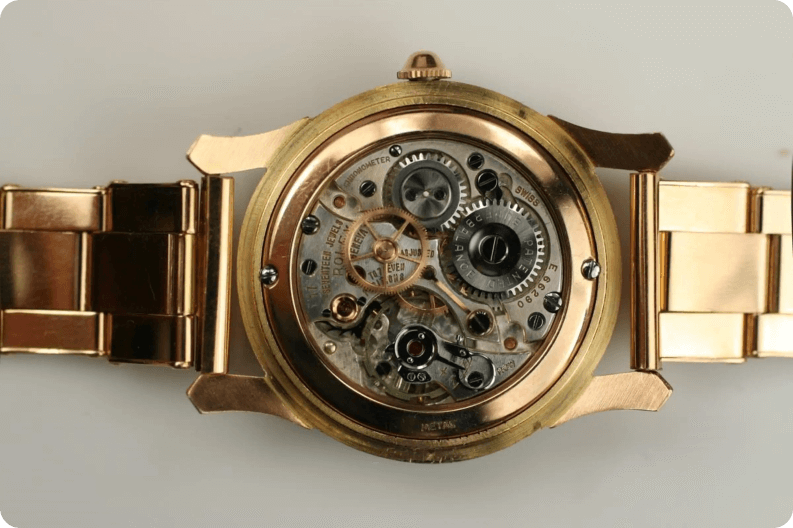
Unlike their battery-powered quartz counterparts, luxury watches have a beating heart – the mechanical movement. First created in the 14th century, large, weight-driven tower clocks with verge escapements and foliot balances marked the dawn of mechanical timekeeping.
Today, the core concept of mechanical movements remains unchanged from its original conception. It involves an intricate arrangement of gears, springs, and an escapement powered by a wound mainspring. This precision engineering allows for smooth operation and precise timekeeping.
Manual watch movements require the wearer to wind the crown periodically. Automatic watch movements, on the other hand, utilise the wearer's movements to keep the mainspring wound, offering a convenient everyday solution.
The Patek Philippe Calatrava, with its ultra-thin manual movement, exemplifies the elegance of traditional watchmaking. On the other hand, the Rolex Oyster Perpetual, with its self-winding mechanism epitomises practicality and durability.
Whether manual or automatic, a mechanical movement imbues a luxury watch with a soul, a testament to human ingenuity and a treasured heirloom for generations to come
Luxury watches often boast 'complications,' intricate mechanisms that add layers of sophistication, style and utility. Here, we explore some of the most fascinating complications created by the best luxury watch brands.
Unlike their battery-powered quartz counterparts, luxury watches have a beating heart – the mechanical movement. First created in the 14th century, large, weight-driven tower clocks with verge escapements and foliot balances marked the dawn of mechanical timekeeping.
Today, the core concept of mechanical movements remains unchanged from its original conception. It involves an intricate arrangement of gears, springs, and an escapement powered by a wound mainspring. This precision engineering allows for smooth operation and precise timekeeping.
Manual watch movements require the wearer to wind the crown periodically. Automatic watch movements, on the other hand, utilise the wearer's movements to keep the mainspring wound, offering a convenient everyday solution.
The Patek Philippe Calatrava, with its ultra-thin manual movement, exemplifies the elegance of traditional watchmaking. On the other hand, the Rolex Oyster Perpetual, with its self-winding mechanism epitomises practicality and durability.
Whether manual or automatic, a mechanical movement imbues a luxury watch with a soul, a testament to human ingenuity and a treasured heirloom for generations to come
Peace of Mind: An engagement ring is a significant financial and sentimental investment. Specialised engagement ring insurance provides financial protection in the event of loss, theft or damage by ensuring you can recover the ring's monetary value or repair or replace.
Contents insurance is essential for anyone who owns valuable items, as it helps protect you should a potential loss occur in your.
Ut enim ad minim veniam, quis nostrud exercitation ullamco laboris nisi ut aliquip ex ea commodo consequat. Duis aute irure dolor in
Excepteur sint occaecat cupidatat non proident, sunt in culpa qui officia deserunt mollit anim id est laborum voluptate velit esse.
Luxury watches often boast 'complications,' intricate mechanisms that add layers of sophistication, style and utility. Here, we explore some of the most fascinating complications created by the best luxury watch brands.
Peace of Mind: An engagement ring is a significant financial and sentimental investment. Specialised engagement ring insurance provides financial protection in the event of loss, theft or damage by ensuring you can recover the ring's monetary value or repair or replace.
“Knowing your engagement ring is insured brings peace of mind. Accidents can happen, and insurance coverage alleviates the worry and stress of potential loss or damage.”
Unlike their battery-powered quartz counterparts, luxury watches have a beating heart – the mechanical movement. First created in the 14th century, large, weight-driven tower clocks with verge escapements and foliot balances marked the dawn of mechanical timekeeping.
Today, the core concept of mechanical movements remains unchanged from its original conception. It involves an intricate arrangement of gears, springs, and an escapement powered by a wound mainspring. This precision engineering allows for smooth operation and precise timekeeping.
Manual watch movements require the wearer to wind the crown periodically. Automatic watch movements, on the other hand, utilise the wearer's movements to keep the mainspring wound, offering a convenient everyday solution.
The Patek Philippe Calatrava, with its ultra-thin manual movement, exemplifies the elegance of traditional watchmaking. On the other hand, the Rolex Oyster Perpetual, with its self-winding mechanism epitomises practicality and durability.
Whether manual or automatic, a mechanical movement imbues a luxury watch with a soul, a testament to human ingenuity and a treasured heirloom for generations to come
Diamond shapes can vary in price due to popularity and demand. Round brilliants, for example, tend to be more expensive than other shapes due to their high demand. If budget is a concern, consider alternative shapes or prioritise other aspects, such as cut quality, over the shape itself.
Amet minim mollit non deserunt ullamco est sit aliqua dolor do amet sint. Velit officia consequat duis enim velit mollit. Exercitation veniam consequat sunt nostrud amet. Amet minim mollit non deserunt ullamco est sit aliqua dolor do amet sint. Velit officia consequat duis enim velit mollit. Exercitation veniam consequat sunt nostrud amet.Amet minim mollit non deserunt ullamco est sit aliqua dolor do amet sint. Velit officia consequat duis enim velit mollit. Exercitation veniam consequat sunt nostrud amet.Amet minim mollit non deserunt ullamco est sit aliqua dolor do amet sint. Velit officia consequat duis enim velit mollit. Exercitation veniam consequat sunt nostrud amet.
Amet minim mollit non deserunt ullamco est sit aliqua dolor do amet sint. Velit officia consequat duis enim velit mollit. Exercitation veniam consequat sunt nostrud amet.
Contents insurance covers the items within your home in case they are damaged, lost or stolen. This can include furniture, electronics, clothing and other personal. Contents insurance is essential for anyone who owns valuable items, as it helps protect you should a potential loss occur in your.
An engagement ring is a significant financial and sentimental investment. Specialised engagement ring insurance provides financial protection in the event of loss, theft or damage by ensuring you can recover the ring's monetary value or repair or replace.
An engagement ring is a significant financial and sentimental investment. Specialised.
An engagement ring is a significant financial and sentimental investment. Specialised engagement ring insurance provides financial protection in the event of loss, theft or damage by ensuring you can recover the ring's monetary value or repair or replace.
An engagement ring is a significant financial and sentimental investment. Specialised.
An engagement ring is a significant financial and sentimental investment. Specialised engagement ring insurance provides financial protection in the event of loss, theft or damage by ensuring you can recover the ring's monetary value or repair or replace.
An engagement ring is a significant financial and sentimental investment. Specialised.
An engagement ring is a significant financial and sentimental investment. Specialised engagement ring insurance provides financial protection in the event of loss, theft or damage by ensuring you can recover the ring's monetary value or repair or replace.
An engagement ring is a significant financial and sentimental investment. Specialised.
Luxury watches often boast 'complications,' intricate mechanisms that add layers of sophistication, style and utility. Here, we explore some of the most fascinating complications created by the best luxury watch brands.
Contents insurance covers the items within your home in case they are damaged, lost or stolen. This can include furniture, electronics, clothing and other personal. Contents insurance is essential for anyone who owns valuable items, as it helps protect you should a potential loss occur in your.
To get an accurate insurance quote, please provide the amount from your purchase receipt.
Don't have the receipt?
If you don't have the receipt, you can provide the most recent valuation amount instead.

This article is advisory in nature and is offered as a resource to be used together with your professional insurance advice. It is an overview only and is not intended as a substitute for consultation with your insurance advisor or other professional advice.
Originally published in Modern Weddings, volume 18. Your man listened to .
At Q Report, we believe you deserve clear, honest information so you can make .
Nothing dazzles quite like a brand new diamond ring. It catches every light in .