


Q Report Team
Updated on October 12, 2026



TL;DRMechanical vs quartz watch. Choose by lifestyle. Mechanical (manual/automatic) offers heritage, a sweeping seconds hand, and serviceable longevity for enthusiasts. Quartz delivers superior accuracy, shock resistance, slimmer cases, and minimal upkeep. Many opt for one of each. Mechanical for occasions, quartz for daily wear. For valuable pieces, consider specialist watch insurance. |
Some watch lovers prefer the quiet hum of gears and springs in their timepiece, enchanted by the tiny mechanical parts working in harmony. Others favour the precision of a quartz movement, ticking with surefooted reliability. Both types of watches tell time, but they speak very different design languages.
If you've ever stood in a watch boutique and wondered whether a mechanical or quartz watch is right for you, you're not alone. This is a very common crossroad for first-time luxury watch buyers. The decision isn't simply about accuracy or technology; it's about how you want to experience wearing a watch.
A mechanical watch connects you to centuries of craftsmanship. Each turn of the crown, each swing of the balance wheel, is part of a story that began long before batteries existed. A quartz watch, meanwhile, represents innovation, convenience, precision, and modern engineering.
Both types hold value for different reasons. One may appeal to those who admire artistry and heritage, the other to those who value reliability and ease. Together, we'll explore how these two watch movements differ, how they perform in daily life, and what to consider, including accuracy, durability, maintenance, and even watch insurance, before making your choice.
When people discuss mechanical vs. quartz watches, they're really comparing two different methods of keeping time: one powered by craftsmanship, the other by technology.
A mechanical movement runs on a tightly wound mainspring. As the spring slowly unwinds, it releases energy through a gear train, regulated by an escapement that controls the steady rhythm of the watch hands.
Manual watches require manual winding to keep running.
Automatic watches wind themselves through the motion of your wrist, thanks to a small internal rotor.
Known for their sweeping seconds hand, they have a smoother motion than the ticking of quartz models.
Collectors appreciate the tactile experience of winding a mechanical watch. It's a daily ritual that connects the wearer to the art of watchmaking. Every click of the crown, every visible gear through the caseback, represents precision and tradition in motion.
Fun fact: Most modern mechanical watches feature between 100 and 300 parts, depending on complexity and complications, and are powered solely by mechanical energy rather than batteries.
A quartz movement operates very differently. It uses a small battery to power a circuit that sends an electric current through a quartz crystal. This makes the crystal vibrate at a consistent frequency of 32,768 times per second, which is then converted into precise timekeeping.
Quartz watches are known for their one-second tick, marking each second distinctly.
They have fewer moving parts, making them lighter, slimmer, and often more affordable to maintain.
Their accuracy can be impressive, losing only a few seconds per month in typical conditions.
Quartz watches transformed the industry when they were introduced in the late 1960s, offering reliability and accessibility that mechanical movements couldn't match at the time.
Did you know? The world's first quartz wristwatch, the Seiko Astron (1969), was accurate to within five seconds per month. This was a breakthrough that redefined modern watchmaking.
In summary:
A mechanical watch uses a wound spring to power its movement, while a quartz watch relies on a battery and a vibrating quartz crystal to regulate time.
For more on how watch movements work and what sets them apart, see Luxury Watch Movements: A Beginner's Guide.

When comparing a mechanical and a quartz watch, accuracy and practicality are two key factors to consider. Each movement brings its own strengths, depending on how and where you wear it.
Quartz watches are known for their precision. Most gain or lose only a few seconds each month, thanks to the steady vibrations of their quartz crystal. Higher-end models, such as High Accuracy Quartz (HAQ) movements, can achieve even tighter tolerances by compensating for temperature changes that may affect performance.
Mechanical watches, by contrast, rely on finely tuned engineering. Chronometer-certified models are regulated to strict daily tolerances, often within a few seconds per day. Brands like Omega and Rolex have established their own performance benchmarks, known as Master Chronometer and Superlative Chronometer certifications, to ensure consistency across temperature, magnetism, and pressure.
Is a quartz watch more accurate than a mechanical?
Quartz watches can be more accurate for everyday timekeeping, while high-grade mechanicals are finely tuned for performance and heritage appeal.
Quartz watches tend to handle daily wear with ease. Because they have fewer moving parts, they can resist shocks and vibration effectively. They're also generally thinner and lighter, which adds to their practicality for active lifestyles.
Mechanical watches, while crafted for longevity, are more intricate inside. Their durability depends on build quality, case design, and maintenance. Some models, such as professional divers' watches or military-spec designs, include features that protect the delicate movement inside.
Owning either type of watch involves some care. The main difference lies in what that care looks like.
Mechanical watches require periodic servicing, typically every few years, to clean, lubricate, and regulate the movement. Proper maintenance helps them perform smoothly and last for generations.
Quartz watches require battery changes, and it's best practice to check seals and gaskets during servicing to maintain water resistance. Though the maintenance is lighter, regular attention still keeps performance stable.
Brands such as Rolex and Omega recommend periodic inspections to ensure water resistance and movement integrity remain intact over time.
Key takeaway:
Mechanical watches need time and care to stay precise. Quartz watches require less maintenance, but both benefit from professional servicing to ensure their longevity.
For a more detailed look at how to care for your luxury watch, read our Expert Advice: Luxury Watch Care Dos and Don'ts guide.
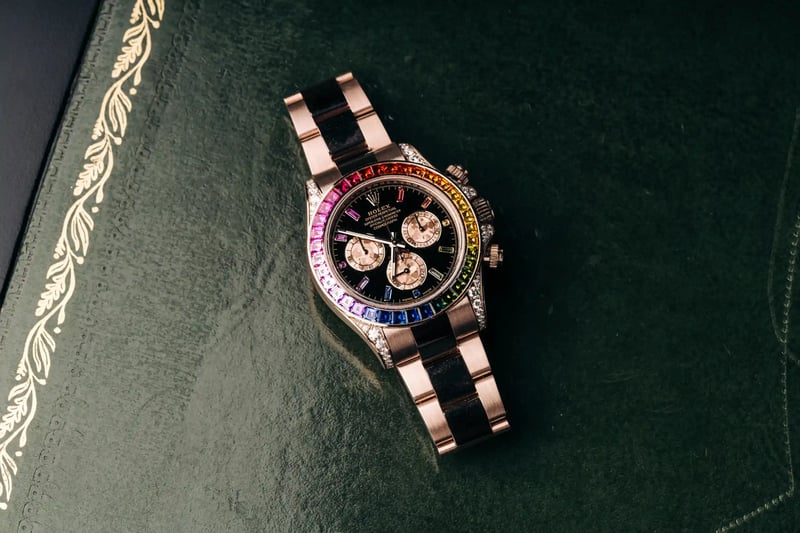
Understanding whether a brand leans toward mechanical or quartz watches can help narrow your options when investing in a timepiece. Some manufacturers focus entirely on traditional craftsmanship, while others offer both styles to suit different lifestyles and budgets.
Modern Rolex watches use mechanical movements across all current collections. Every Submariner, Datejust, and Day-Date is powered by a self-winding calibre crafted in-house.
However, Rolex did briefly venture into quartz technology with the Oysterquartz line, introduced in the late 1970s and produced until the early 2000s. The Oysterquartz featured an angular case design and was notable for maintaining Rolex's precision standards while embracing the quartz trend of the era.
For vintage collectors, these models remain an intriguing part of Rolex's innovation history. While the brand's identity today is deeply tied to mechanical excellence, its brief quartz chapter reflects how even traditional watchmakers responded to technological shifts in the industry.
Fun fact: The Rolex Oysterquartz movement (Calibre 5035 and 5055) was so precise that it earned COSC certification, a rare achievement for a quartz movement at the time.
Omega caters to both enthusiasts and everyday wearers with a broad mix of mechanical and quartz models.
Mechanical models, especially those certified as Master Chronometers, are tested under METAS standards for accuracy, magnetic resistance, and performance in real-world conditions. These movements represent the brand's focus on precision engineering and durability in luxury craftsmanship.
Meanwhile, Omega's quartz watches, found in collections such as the Seamaster Aqua Terra and Constellation, deliver the brand's signature elegance with added convenience. They appeal to those who appreciate the aesthetic and build quality of Omega without the need for manual winding.
Did you know? Omega's quartz calibres were used in NASA's Speedmaster X-33 models, designed for astronauts and pilots who required extreme precision and durability in zero gravity.
Cartier bridges artistry and practicality by offering both quartz and mechanical timepieces across its collections.
Classic models, such as the Tank Must and Ballon Bleu, are available with reliable quartz movements, offering sleek profiles and low-maintenance appeal. For those drawn to traditional craftsmanship, Cartier also produces hand-finished mechanical pieces such as the Tank Louis Cartier and Santos-Dumont with manual or automatic calibres.
This flexibility enables Cartier to cater to both style-focused buyers and horology enthusiasts who appreciate fine craftsmanship.
Quick tip: When buying pre-owned or vintage Cartier watches, carefully check the reference number, as it can help determine whether the watch features a quartz or mechanical movement.
Interested in limited edition watches? You may also like to read: A Collector's Guide to Limited Edition Luxury Watches.
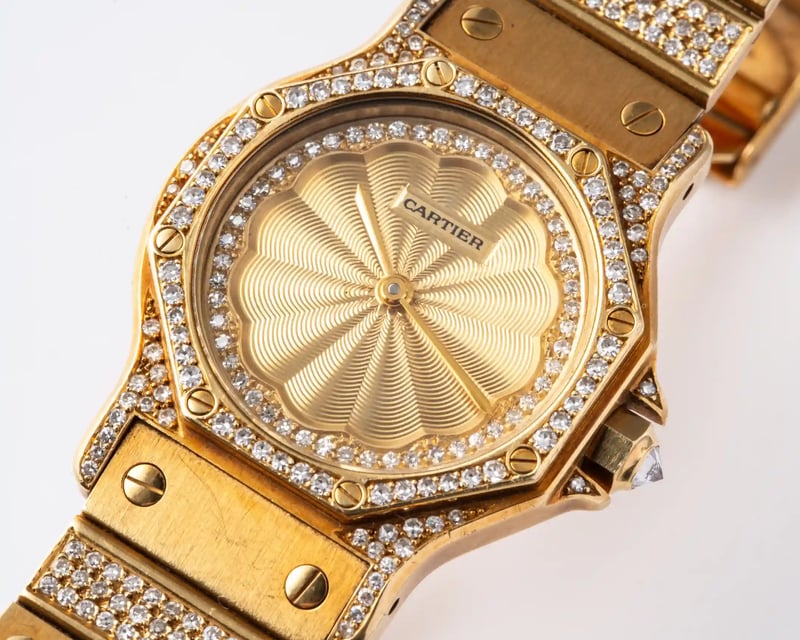
You don't need a loupe or a watchmaker's toolkit to tell whether a watch is mechanical or quartz. How it moves, feels, and sounds can reveal the answer within seconds.
The easiest way to identify a quartz watch is by looking at the seconds hand. Quartz watches tick once per second, jumping cleanly from marker to marker. Mechanical watches, on the other hand, have a sweeping motion created by multiple beats per second.
Quartz: Distinct "tick" every second, precise and steady.
Mechanical: Appears to glide, though technically it's moving several small steps per second.
Quick tip: In dim light, you may even hear the tick of a quartz movement; mechanical watches stay mostly silent in comparison.
Look to the back of the watch or the side crown for another tell.
Mechanical watches often feature exhibition casebacks, showcasing the rotor or balance wheel in motion. These see-through windows highlight the intricate mechanics inside.
Quartz watches are typically sealed with a solid, slim caseback, as there's no moving rotor to display. They also tend to have thinner cases overall.
When inspecting the crown, a mechanical model may feel more tactile when you wind or adjust it, with slight resistance from the gears inside. Quartz crowns tend to turn more freely and feel smoother since they're connected to a simpler setting mechanism.
Did you know? Some mechanical watches wind automatically when moved. You can often feel a faint spinning motion inside the case from the oscillating rotor.
When weighing up whether to buy a mechanical or quartz watch, long-term value and lifespan can influence your decision as much as style or accuracy. Both movements have strengths that appeal to different types of collectors and wearers.
With proper maintenance, mechanical watches could be preserved for decades, even generations. Their longevity largely depends on proper care, regular servicing, and the availability of parts. Many mechanical movements can be restored thanks to accessible components and repair expertise that spans decades of horological tradition.
Quartz watches can also endure for many years, but their lifespan is tied to the availability of electronic parts. Once specific circuits or quartz oscillators are discontinued, long-term maintenance becomes more challenging. That said, a well-built quartz watch can deliver years of reliable service with minimal upkeep.Key takeaway: Mechanical watches can be maintained for decades through servicing, whereas quartz watches tend to rely on the continuity of electronic parts over time.
While some watches can appreciate in value, this may be influenced by several factors, including brand prestige, reference rarity, market trends, and overall condition. Models from brands like Rolex, Patek Philippe, and Audemars Piguet may attract collector interest due to limited production runs and historical relevance.
However, market cycles fluctuate. Many enthusiasts prefer to buy watches for personal enjoyment rather than investment potential. The emotional connection, craftsmanship, heritage, and design are what give a watch enduring worth, even beyond its resale value.Did you know? According to a report by McKinsey, the pre-owned watch market is set to become the industry's fastest-growing segment, reaching $29 - $32 billion USD in sales by 2025.
Owning a luxury watch involves more than the initial purchase. Consider these recurring costs when planning for the long term:
Servicing: Mechanical watches may require regular cleaning and lubrication. Quartz watches may only need battery and gasket changes.
Bracelets and straps: Leather options may need to be replaced every few years, depending on use.
Insurance: Specialist cover can help with loss, theft, or accidental damage, depending on policy terms.
Budgeting for these elements helps preserve the functionality, appearance, and value of your collection over time.
Quick list of ownership costs you may want to plan for:
Movement servicing or battery replacement
Strap or bracelet renewal
Valuation updates for insured items
Looking to strategically expand your watch collection? Read Build the Ultimate Collection of Must-Have Luxury Watches for inspiration on mixing classic and contemporary timepieces.
Choosing between a mechanical or quartz watch comes down to more than technology. It's about lifestyle, habits, and what kind of experience you want from wearing a timepiece. Each type caters to a different mindset.
Mechanical watches appeal to those who enjoy craftsmanship and ritual. Winding a watch by hand or feeling an automatic rotor move connects the wearer to centuries of horological heritage.
A mechanical may suit you if:
You value artistry, hand finishing, and traditional engineering.
You enjoy the tactile rhythm of winding or wearing an automatic movement.
You appreciate a watch as an heirloom that can be serviced and maintained over generations.
These watches reflect a slower, more intentional pace, an appreciation for precision that exists beyond digital accuracy.
Did you know? Some modern automatic watches feature power reserves of 70 hours or more, allowing them to run continuously over a weekend without needing to be wound.
Quartz watches prioritise convenience and reliability. They're perfect for those who prefer to "set it and forget it," without the need for winding or frequent adjustments.
A quartz may suit you if:
These movements are ideal for travel, work, or outdoor use. They are practical and dependable companions that ask very little of their owner.
Quick tip: If you wear several watches in rotation, quartz models are convenient because they keep time even when not in use.
Many collectors find that the best solution is a combination of both. A well-rounded collection might include:
A mechanical watch for special occasions or when you want to appreciate craftsmanship.
A quartz watch for travel, sport, or daily wear.
This combination strikes a balance between passion and practicality, offering flexibility for every situation.
Prefer history and handcraft? Go with a mechanical watch.
Need precision and ease? Choose a quartz watch.
Want versatility? → Keep one of each.
Keen to become a collector? Read 6 Watch-Collecting Mistakes to Avoid before you begin, to help you avoid any rookie mistakes.
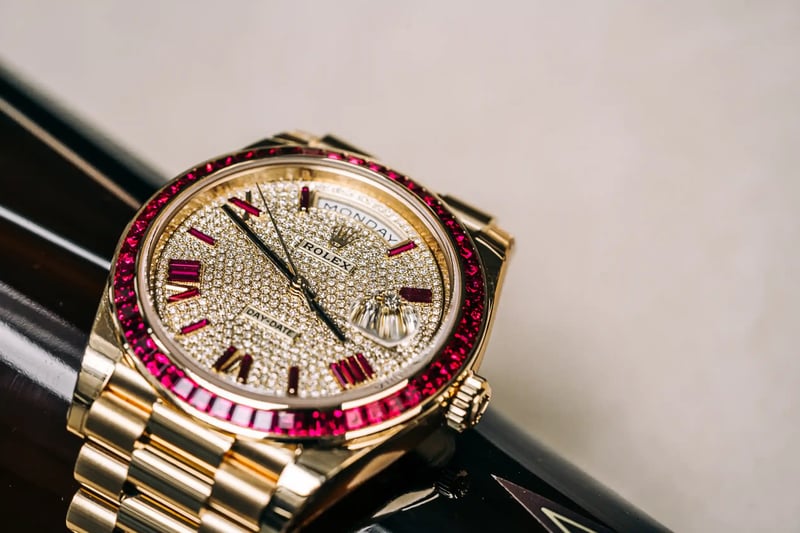
Modern Rolex watches use mechanical movements that are either automatic or manually wound. The brand's short-lived Oysterquartz collection, produced from the late 1970s to early 2000s, represents Rolex's limited venture into quartz technology, now a collectible line for vintage enthusiasts.
Observe the seconds hand. A quartz watch ticks once per second, while a mechanical one moves in smaller, smoother steps. You can also listen for the rotor's movement when the case is gently tilted, or inspect the caseback. Mechanical watches may reveal visible gears or a rotor through a transparent back.
Better depends on what you value. Mechanical watches showcase centuries of craftsmanship and mechanical artistry, while quartz watches focus on precision, practicality, and low maintenance. Each offers distinct appeal, whether you prioritise emotional connection or daily convenience.
Yes, quartz watches tend to keep more consistent time because the oscillation of a quartz crystal is extremely stable. Mechanical watches are regulated to extremely tight tolerances, especially those certified as chronometer models. Still, they may gain or lose seconds each day due to their intricate construction.
Quartz movements contain fewer moving parts, which may enhance durability and resistance to shocks or vibration. However, overall toughness also depends on the case material, design, and water resistance rating, which apply equally to both types.
Cartier produces both. Popular lines, such as the Tank Must, are available with quartz movements, while higher-end models, like the Santos or Ballon Bleu collections, often feature mechanical calibres.
Omega offers both mechanical and quartz options. Its Master Chronometer series showcases mechanical excellence certified by METAS for accuracy and magnetic resistance. At the same time, quartz models remain popular in sport and women's collections for their precision and ease of care.
With proper servicing, mechanical watches can operate for decades, as their components are repairable and replaceable. Quartz watches may also last many years, but their longevity often depends on the continued availability of electronic parts and circuits.
Premiums could represent a small percentage of a watch's insured value. Costs may vary depending on the brand, model, and type of coverage. Specialist policies, such as those offered by Q Report, are tailored specifically for luxury watches and may include worldwide cover, annual revaluation, and dedicated jewellery claims support. For details, see How Much Does Luxury Watch Insurance Cost for an overview of policy inclusions and factors that affect premium pricing.
The decision between a mechanical and quartz watch comes down to what you value most: the craftsmanship and legacy of traditional horology or the precision and ease of modern innovation. A mechanical watch connects you to centuries of artistry through movement and ritual, while a quartz watch offers reliable accuracy and everyday convenience.
Regardless of which movement you lean toward, the key is to align with your lifestyle. The best choice is the one that feels right on your wrist and still makes you smile five years from now.
Why not shortlist two watches: one mechanical, one quartz, and try them on side by side? You'll know immediately which belongs in your collection.
Once you decide to invest in a piece you truly love, consider getting it covered through Q Report. Get an indicative quote today.

To get an accurate insurance quote, please provide the amount from your purchase receipt.
Don't have the receipt?
If you don't have the receipt, you can provide the most recent valuation amount instead.